
Unleashing the Potential: How Real Estate Companies Can Drive Sustainable Development with the 2030 Agenda and Paris Decarbonisation Agreements

In today's world, the stakes have never been higher. Climate change, social inequality, and economic instability demand urgent action. The Sustainable Development Goals (SDGs), established by the United Nations in 2015, lay out a clear blueprint for achieving a sustainable future by 2030. Real estate companies are positioned to play a vital role in this important endeavor. This blog post will examine how these companies can effectively incorporate the SDGs into their operations, aligning with the Paris Decarbonisation Agreements to create lasting impact.
Understanding the Sustainable Development Goals and the Paris Agreements
The Sustainable Development Goals consist of 17 interconnected objectives that aim to end poverty, protect the planet, and ensure prosperity for all by 2030. Each goal outlines specific targets to address global challenges. For example, Goal 11 aims for sustainable cities and communities, emphasizing the importance of urban development and planning.
The Paris Agreement complements these goals by establishing a global framework to reduce greenhouse gas emissions. The goal is to keep global temperature rise below 2 degrees Celsius. For real estate companies, this translates to adopting energy-efficient practices, using sustainable materials, and designing buildings for resilience. According to the International Energy Agency, buildings account for nearly 40% of global energy-related carbon emissions, highlighting the urgent need for change. Implementing these frameworks enhances corporate reputation while also increasing profitability.

The Role of Real Estate Companies in Implementing the SDGs
1. Sustainable Cities and Communities
Goal 11 focuses on creating sustainable cities and communities. Real estate developers possess the power to influence urban landscapes significantly. By constructing energy-efficient buildings and affordable housing, they can promote sustainable living.
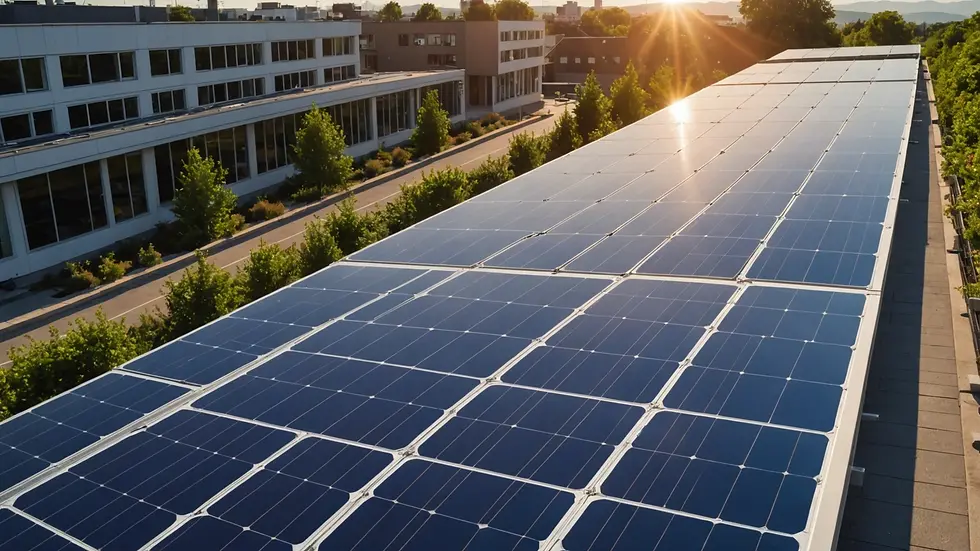
For instance, the Edge, a building in Amsterdam, features solar panels, a rainwater collection system, and advanced energy-saving technologies. This building has been recognized as one of the greenest in the world, reducing energy use by 70% compared to standard buildings. Moreover, incorporating renewable energy systems not only lowers utility costs but also attracts environmentally-conscious buyers and tenants.
2. Climate Action and Resilience
Goal 13 calls for urgent climate action, making it essential for real estate companies to adopt innovative practices. This includes creating structures resistant to extreme weather, implementing water-efficient systems, and utilizing energy-saving technologies.
For example, the construction of flood-resistant homes in Louisiana after Hurricane Katrina has exemplified proactive design. These homes are elevated and built with materials that withstand flooding, showcasing how thoughtful planning can mitigate risks while enhancing community trust and stability.
3. Partnerships for the Goals
SDG Target 17.17 underscores the importance of partnerships. Real estate companies are uniquely positioned to bring together various stakeholders, including local governments, non-profits, and community groups.
For example, a developer working on a new housing project might engage with local residents to gather input on their needs. Collaborating with non-profits can also open doors to funding opportunities, making sustainable development more feasible. These partnerships can ultimately lead to projects that fulfill local needs while adhering to sustainability goals.
Challenges to Implementation
Despite the potential, real estate companies often face obstacles. Regulatory issues, market competition, and a focus on short-term profits can hinder the adoption of sustainable practices. Many firms may also lack the knowledge or resources necessary to integrate the SDGs and Paris Agreement requirements.
Addressing the Knowledge Gap
To navigate these challenges, real estate companies should invest in training and educational programs. Workshops and certifications focused on sustainable practices can empower professionals with the tools they need.
Moreover, partnering with sustainability experts can introduce innovative solutions crucial for aligning projects with the SDGs. For example, collaborations with environmental organizations can help companies develop best practices for reducing energy consumption and waste.
Real-World Examples of Success
While there are challenges, many real estate companies are leading the way in the sustainable development space.
Case Study 1: Green Building Certifications
Developers seeking green building certifications like LEED (Leadership in Energy and Environmental Design) or BREEAM (Building Research Establishment Environmental Assessment Method) are setting new standards. For instance, the Bullitt Center in Seattle earned the Living Building Challenge certification, making it one of the greenest commercial buildings in the world. Buildings with such certifications not only promote sustainability but also typically see increased property values, appealing to buyers focused on eco-friendly living.
Case Study 2: Community-Driven Developments
Real estate firms that adopt community-driven models are creating developments that resonate with local residents. By incorporating feedback from community members, these companies meet demand while promoting social equity. This approach aligns with Goal 10—Reduced Inequalities. For example, the development of affordable housing in Toronto has prioritized resident participation, ensuring that new projects meet community needs effectively.
A Path to a Sustainable Future
The connection between real estate practices and the Sustainable Development Goals opens a pathway toward a more resilient future. By embracing the 2030 Agenda and the Paris Decarbonisation Agreements, real estate companies can enact significant changes in their communities while improving their financial performance.
As more stakeholders recognize the vital role of the real estate sector in sustainable development, it is crucial for industry leaders to act. Sustainability is not just an option; it is essential for growth and innovation in the real estate market. By aligning with global goals, these companies can thrive while leading efforts to create a more sustainable future.


Comments